




January 8, 2008
Situation Critical
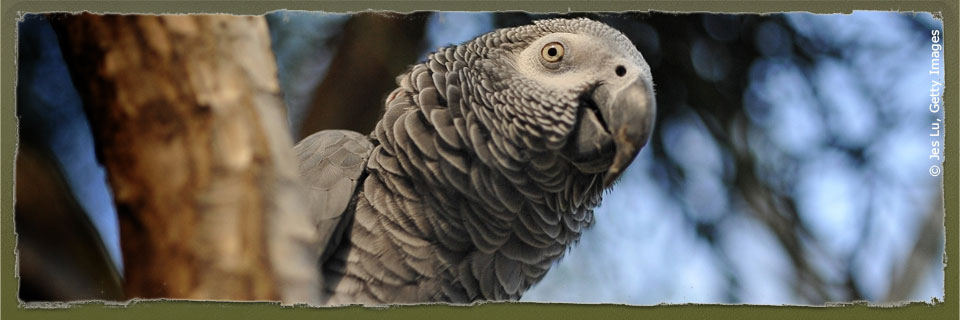
The situation with the African grey parrots is becoming critical. Having placed the two seized groups in two rapidly constructed flight cages and having released all those birds that were healthy and had undamaged feathers we felt that we had managed to stabilise the situation. However after a period of about a week when the death rate of birds fell to almost zero we began to find the death rate creeping up again with two or three birds dying each day. The post-mortem findings of all of these birds were consistent with the disease pisttacosis, suggesting that the doxycycline treatment that we had been painstakingly giving in the water was not reaching effective concentrations in the birds. In contrast, the acutely sick birds that we had been treating with our limited stock of injectable doxycycline were all recovering well. Clearly the in-water method is not working. So we have now started to make a mash that we can feed to the parrots and in which we can place the doxycycline. Currently we are trying to encourage the birds to eat the mash, which is not easy as wild parrots are pretty picky eaters, but we expect that after a few days they will begin to eat the mash and we can begin giving the doxycycline this way. Medicating in the feed will, it is hoped, enable sufficient concentrations of doxycycline to be reached in the blood.
[Editor’s note – The World Parrot Trust is sending veterinary assistance and medical supplies to Limbe to aid in their efforts]
Another release!
The situation is not all doom and gloom though as, on the 6th and 7th of January, we selected 59 birds, that were previously too thin to be released but who had since put on weight and were now strong fliers, for release. During the pre-release clinical examination of each bird it was noted that all of the birds, including those with damaged feathers that could not be selected for release, had put on considerable weight since they had arrived at the LWC. This is a good indication that the quantity of food that we have been feeding is supporting the large numbers of parrots and is enabling them to gain weight steadily. Considering the emaciated state that many of these birds were in when they arrived it is encouraging to find that they are now looking much healthier and stronger.
Most of the remaining birds will not be candidates for [immediate] release, despite having gained weight, until their feathers have recovered and so we are now planning to begin the laborious feather plucking process to speed up the feather recovery.
…and continued thanks
Thank you all for your kind donations for this ongoing saga. Your funds have helped us to purchase medications and food and to construct the flight cages. We are currently spending $200US per week on food alone for the birds so please do continue to assist us with your kind support.
Thank you for all your continued support with the funding of this extraordinary rehabilitation process.
Felix Lankester MSc MRCVS
Project Manager - Limbe