







Our Work

Update from Felix Lankester, Limbe

March 24, 2008

African Grey Parrot treatment

The ever changing situation with the Greys

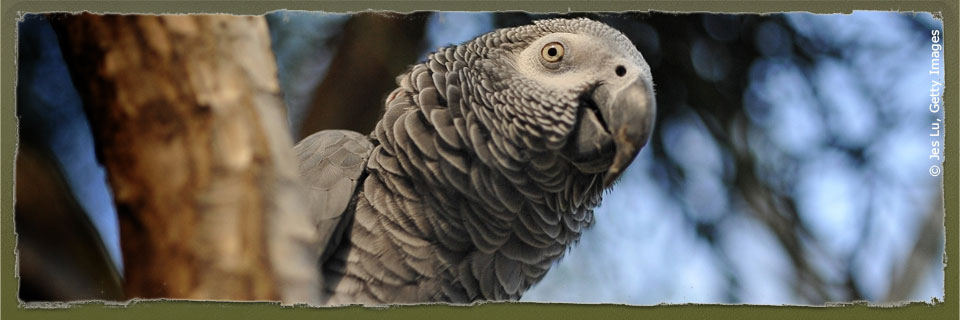
The situation with the remaining African grey parrots is ever changing: In January, together with a veterinary team from the WPT, we painstakingly aneasthatised each of the remaining 280 parrots so that their damaged feathers could be removed. Once this process was completed the birds began their recuperative period during which time they would remain in the flight cages waiting for their new feathers to grow. In early February the 42 day course of doxcycline that was being introduced to the feed mash in order to treat the outbreak of chlamydophilosis came to an end. The treatment had been very successful with the daily death rate dropping to zero, and even the birds that had been extremely sick and that had to be placed in a special infirmary cage recovered well enough to be placed back into the flight cages with the rest of the flock.

Everything seemed to be moving forward nicely until this week when we found two dead parrots on the floor of the flight cages, followed by a third one the following day. I performed a post mortem on all of the birds and the pathological signs were worrying: after discussions with Dr. Gino Conzo in Italy we came to the conclusion that these parrots could well be the beginning of another wave of chlamydophilosis. It is extremely difficult to rid a flock of birds of the infective organism that causes chlamydophilosis as the birds can be asymptomatic carriers. Consequently the organism will often be continually shed into the environment ready to cause epidemics should the right conditions be realised. In order to prevent another epidemic therefore we have started treating all the parrots once again with doxycycline in the food and we shall monitor the situation very carefully. We hope that we will have caught the outbreak early and in doing so will have reduced the number of eventual casualties. However if a number of birds do become sick then this will affect their feather recovery rate and will probably delay their eventaul release. Consequently we may find that we still are looking after parrots beyond May 2008.

The situation is made even more critical with the possibilities of future seizures of African grey parrots. If this is the case the Limbe Wildlife Centre will need to be ready to receive them. This will not be a problem if the birds are seized after the greys that we already have are released. However we will have a serious problem coping with more birds if this new seizure takes place before we have managed to release this batch of birds. It is a worrying time for us all. We will keep all the supporters of the WPT posted on this situation.

The Limbe Wildlife Centre would like to thank the WPT for the logistical assistance and critical financial help that we have recieved without which we certainly would not have been able to do the work that we do.

Felix Lankester, BVSc MSc MRCVS
Limbe Wildlife Centre

Return to appeal page