LEARN

Yellow-fronted Parrot

( Poicephalus flavifrons )

Also known as:
Yellow-faced Parrot, Shoa Parrot

Also known as:
Yellow-faced Parrot, Shoa Parrot

Geography:

DID YOU KNOW?

Yellow-fronted Parrots are found up to 3000 m (9840 ft) in the highlands of Ethiopia.

<p><em>Poicephalus</em></p>
Genus:

Poicephalus

<p><em>flavifrons</em></p>
Species:

flavifrons

Size:

28 cm (11 in)

Weight:

140–205 g

Subspecies including nominate:

Possibly two: P.f. flavifrons, P.f. aurantiiceps

Colour Adult:

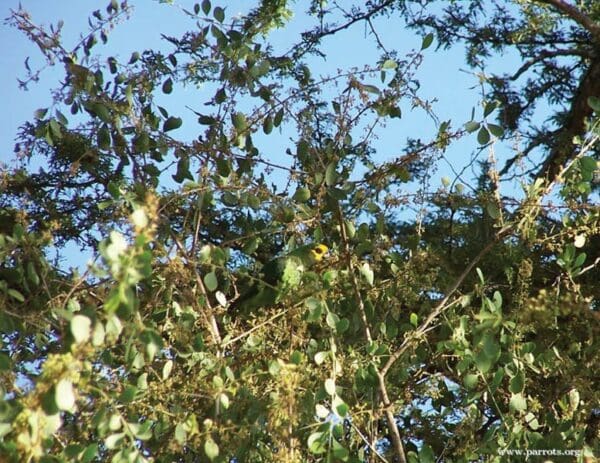
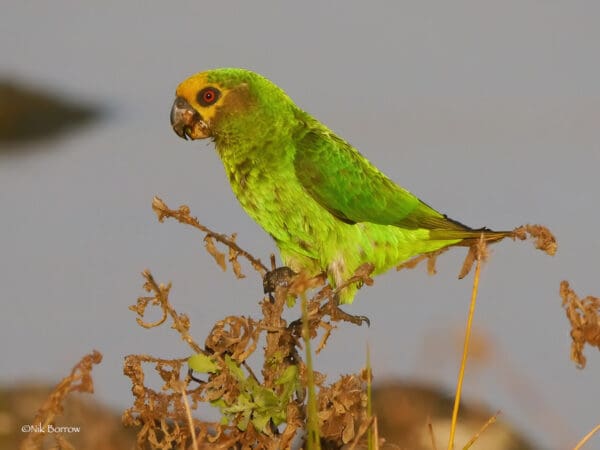
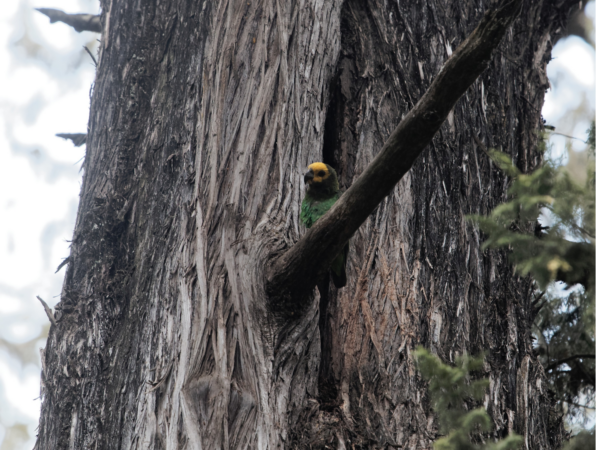
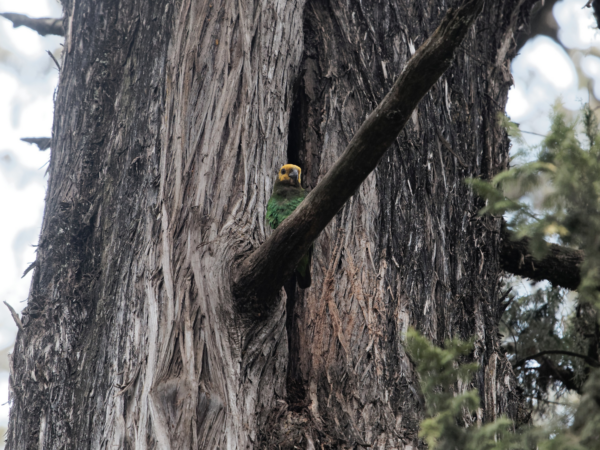
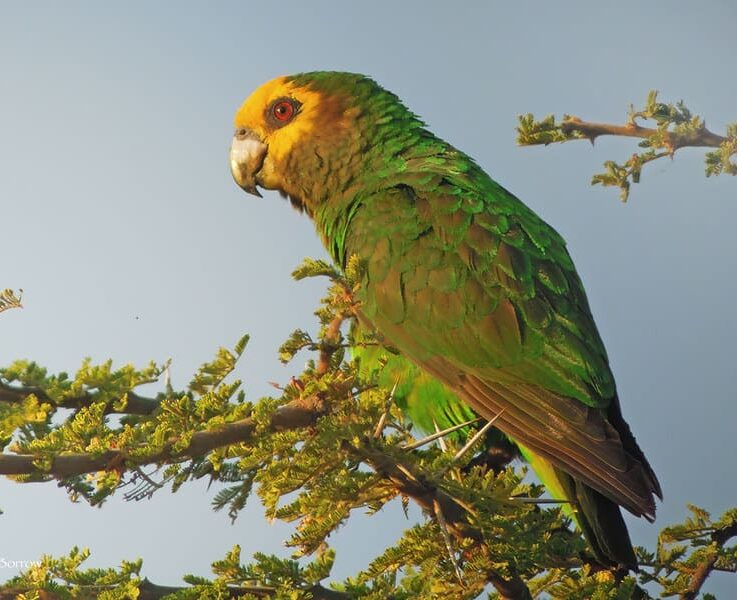
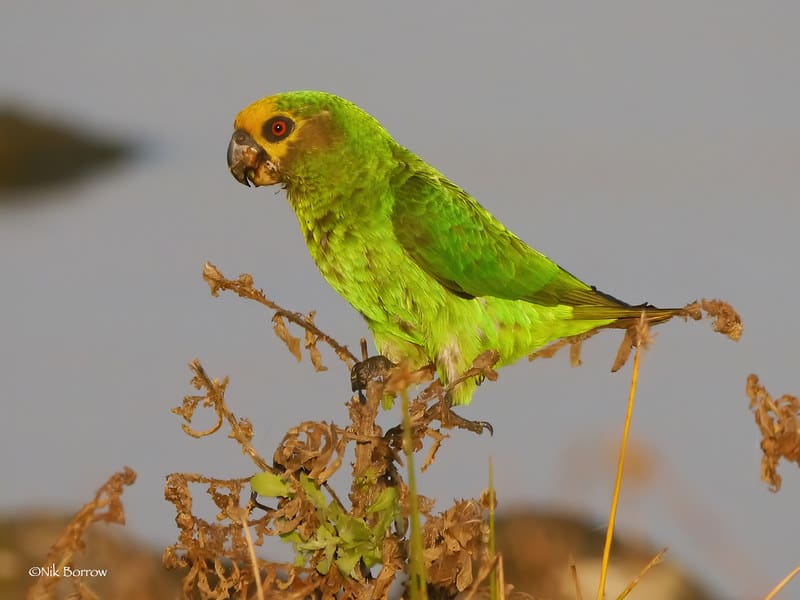
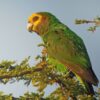
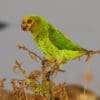
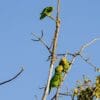
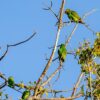
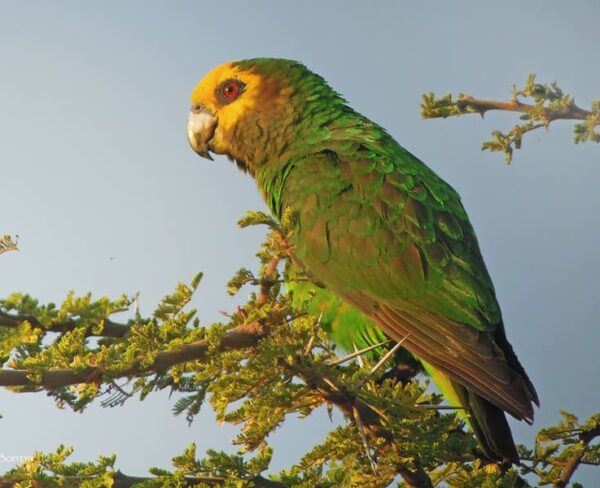
P.f. flavifrons: Medium sized parrot; mainly green plumage with bright yellow face and crown; tail olive/brown; thighs and carpal edge occasionally marked yellow; dark upper, pale lower mandible. Eye orange/red. Bare cere and eye ring grey.
P.f. aurantiiceps: As in flavifrons but face yellow washed with orange.

Colour Juvenile:

As in adult but face duller yellow/olive green. Eye brown.

Call:

Loud, shrill whistles and screeches.

Xeno-canto Wildlife Sounds-Yellow-fronted Parrot

Captive Status:

Not found in captivity outside of Ethiopia at present.

Longevity:

Housing:

3 x 1 x 2 m (9.8 x 3.3 x 6.5 ft) enclosure with indoor access.

Diet:

Seed mix such as: millet, safflower, paddy rice, wheat, oats, buckwheat, canary grass seed, pine nuts (fresh); millet spray, dry or sprouted; limited sunflower, dry or sprouted; fruits such as: apple, pear, orange, cactus fruits, bananas, figs, mountain ash or rowan berries; vegetables such as: carrots, celery, corn on the cob, green beans and peas in the pod; greenfoods; vitamin supplements; complete kibble.
Enrichment:

Nest Box Size:

Clutch Size:

Not recorded.

Fledging Age:

Hatch Weight:

Peak Weight:

Weaning Weight:

World Population:

Unknown, decreasing.

IUCN Red List Status:
Least Concern

CITES Listing:
Appendix II

Threat Summary:

Not globally threatened. Described as frequent to common. Considered most abundant in the northern, higher parts of its range. Occurs in Abijata-Shala Lakes and Bale Mountains National Parks. May be exposed to increased risk of pest control towards other species. It is considered common in the northern parts of its range. Is thought to have a medium dependency on forest habitat, and tree cover has declined by 3.9% within its range over the past three generations. Therefore, it is tentatively suspected that this may have led to a 1-19% decline in the species’ population over the same period.

Range:

P.f. flavifrons: Highlands of northern Ethiopia, and areas around Addis Ababa in central Ethiopia.
P.f. aurantiiceps: Known only from Masango area and Gilo River, southwestern Ethiopia.

Habitat:

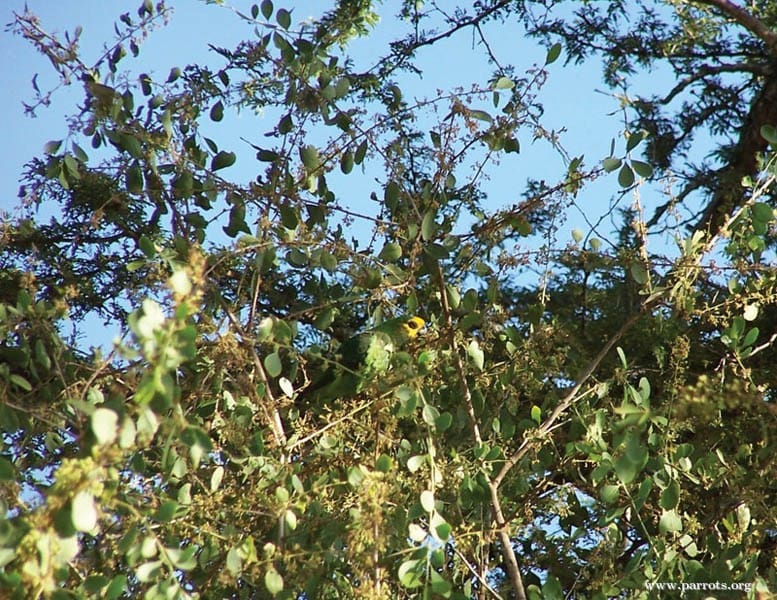
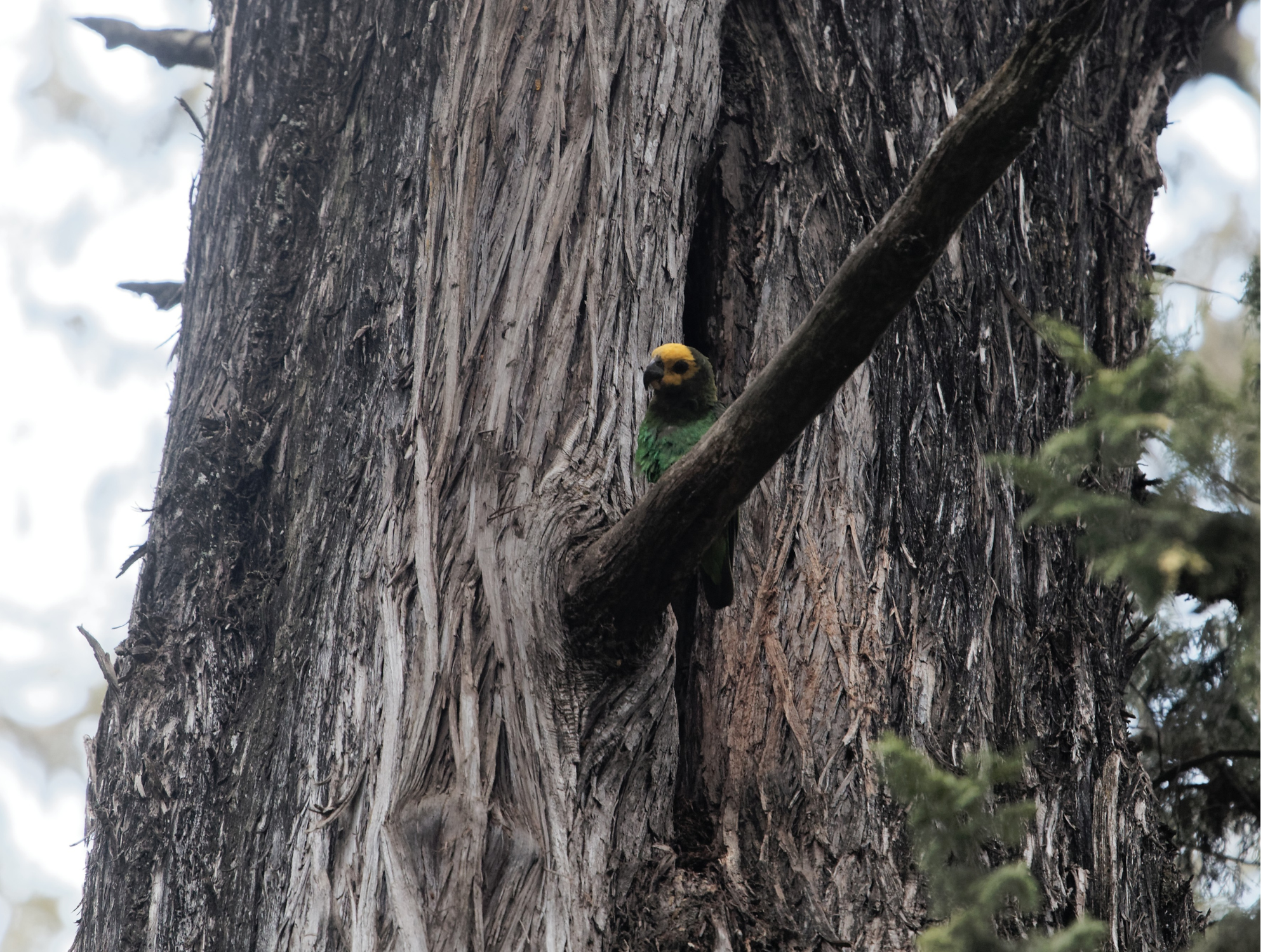
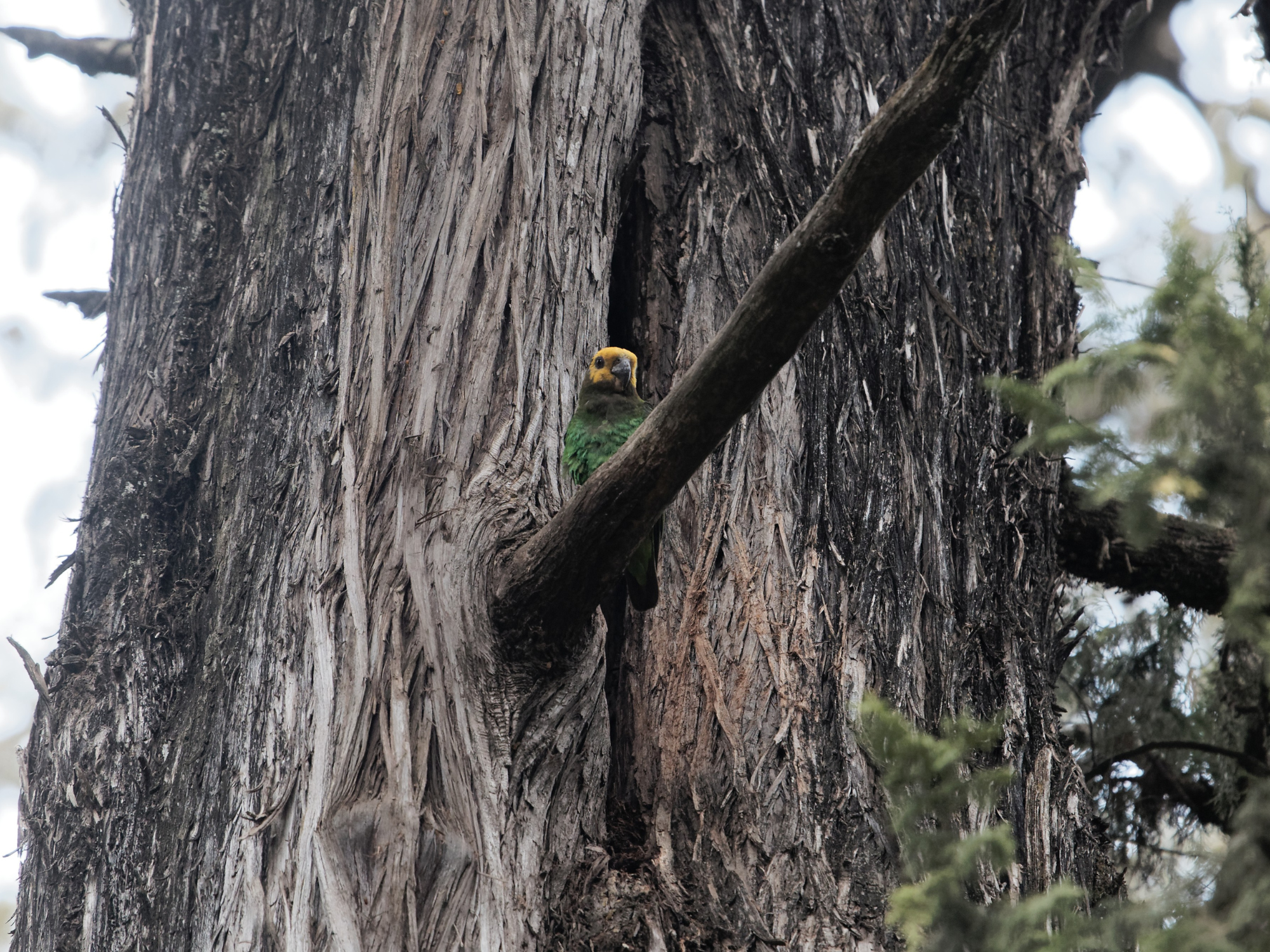
Ficus-Acacia riverine forest from 300 m (984 ft), lowland subtropical humid forest, olive-Podocarpus-juniper forest, and Hagenia forest up to 3200 m (10,498 ft). Seen in well-wooded gardens in towns.

Wild Diet:

Poorly known but thought to include leaves, seeds and fruits, including Dovyalis abyssinica.

Ecology and Behaviour:

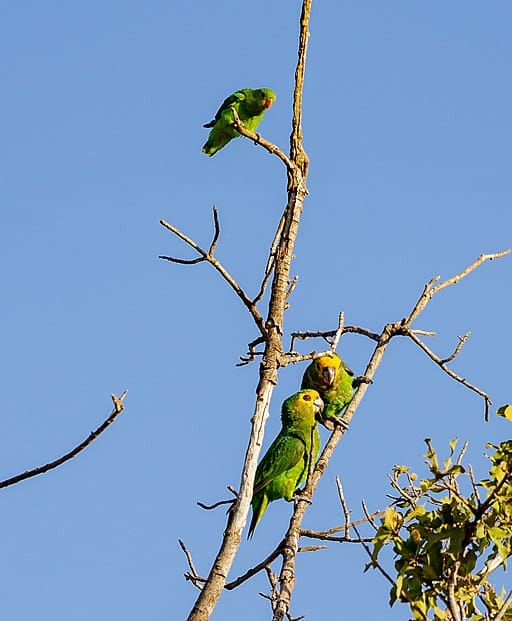
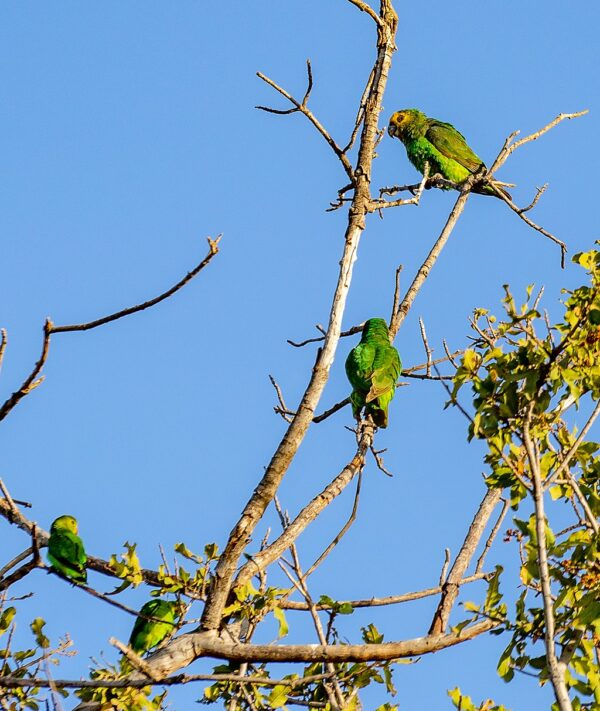
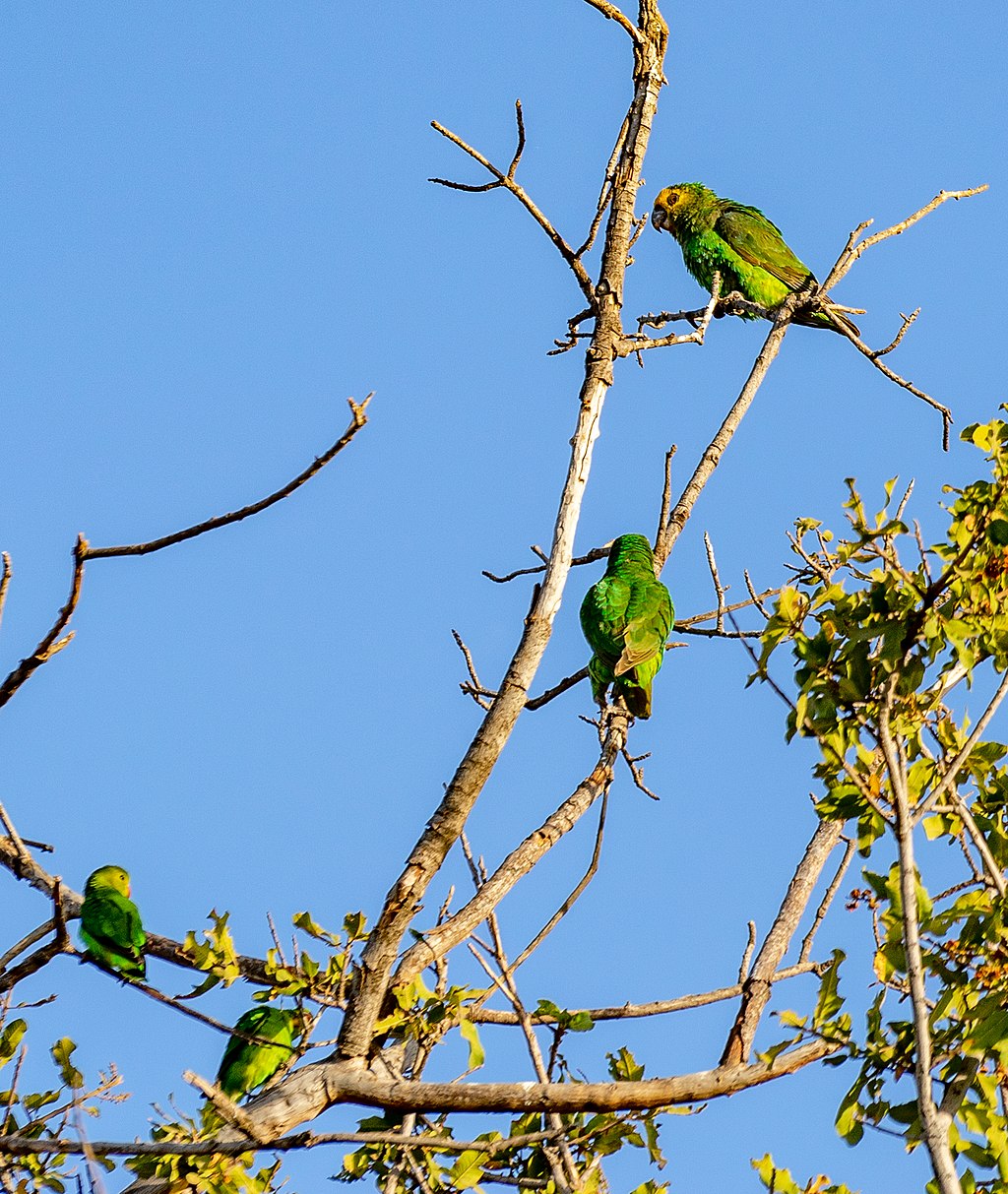
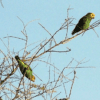
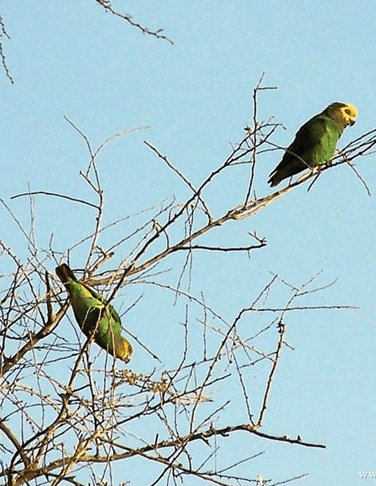
Generally found in pairs, small groups or flocks up to 20, often with Black-winged Lovebirds. Probably use same roosting trees each night.

Clutch and Egg Size:

Not recorded.

Breeding Season:

Not recorded.

Related Links:

Join Our Flock

FlockTalk our monthly newsletter for parrot people everywhere:

+ News from the world of parrots

+ Updates on wild parrot projects

+ Inspiring updates from partners

+ Real stories from the parrot flock

+ Plus, expert tips for caring for your feathered friends at home.


Stay In The Loop, Sign Up Now.

FlockTalk: our monthly newsletter for parrot people everywhere:

Parrot news. Conservation wins. Pet care tips. All in one monthly email.

We do not sell or share your information with anyone